Wondering whether your trip really helps the place you visit? The benefits of regional tourism grow when you spend with locally owned businesses, because more of your money stays nearby and pays local wages.
This guide sits inside our wider look at regional tourism, and it focuses on what you, as a visitor, can do.
| Item | Value |
|---|---|
| UN SDG target 8.9 deadline for sustainable tourism policies | By 2030, policies that create jobs and promote local culture and products |
| Share of travel spend that may remain in a destination (Travel Foundation report) | As little as 20% |
| Average tourism leakage, especially in least developed countries | Between 50% and 80% of total tourist spend |
| Estimated leakage in the Caribbean region | 80% |
| UN definition of sustainable tourism | Takes full account of current and future economic, social and environmental impacts |
These figures come from the UN Department of Economic and Social Affairs sustainable tourism page and a summary of a Travel Foundation report. Estimates like these can change and vary by method, so check the source before you rely on them.
What the benefits of regional tourism look like on the ground
Regional tourism means travelling to places within a region, often smaller towns, rural areas and local attractions rather than the best-known hotspots. If you want the basics first, our what is regional tourism guide for beginners explains the idea in plain terms.
The clearest benefit is income that circulates locally. A University of West Florida economics centre describes how this works: “It is this cash flow that pays wages, leads to investment and supports community growth.” It adds that “Any dollar that stays within a community that can pay a local wage is important and the tourist dollar is no exception.” (University of West Florida)
Typical benefits for a host community include:
- Jobs for guides, drivers, hosts, cooks and shop staff.
- Demand for local food, crafts and services that might otherwise struggle.
- Reasons to keep local heritage and traditions alive.
- A wider mix of local industries, so a town does not rely on one employer.
A joint study by the European Committee of the Regions and UN Tourism points the same way. It says rural tourism can contribute to the resilience of local communities, addressing challenges such as “depopulation, inequality and limited access to basic services”. It also points to the potential of rural tourism “to drive economic diversification and job creation in rural areas”. (European Committee of the Regions)
Why visitor money does not always stay local
Spending a lot does not guarantee a community gains much. The University of West Florida source notes that portions of money spent “do not stay within the local economy because large amounts of it leak out as purchases are made from suppliers outside of the region, profits flow to corporations and business owners who do not reside locally”. Economists call this leakage.
A Travel Foundation report, as summarised by the tour operator Travel Local, puts numbers on the problem. It says that “as little as 20% of the money you spend on traveling to a destination, then remains in the destination to benefit the local economy”. It also says leakage is “between 50% and 80% of total tourist spend on average, especially in least developed countries”, with the Caribbean estimated at 80%. (Travel Local)
These figures describe international travel to developing destinations, and your own trip within a region may look different. Still, the same logic applies anywhere: money spent on imported goods or with distant owners does less for the neighbours you are visiting.
How to put more of your spending into the community
You do not need special training to shift where your money goes. A few ordinary choices make most of the difference.
- Stay in locally owned lodging such as a family guesthouse, farm stay or small inn, rather than a chain whose profits go elsewhere.
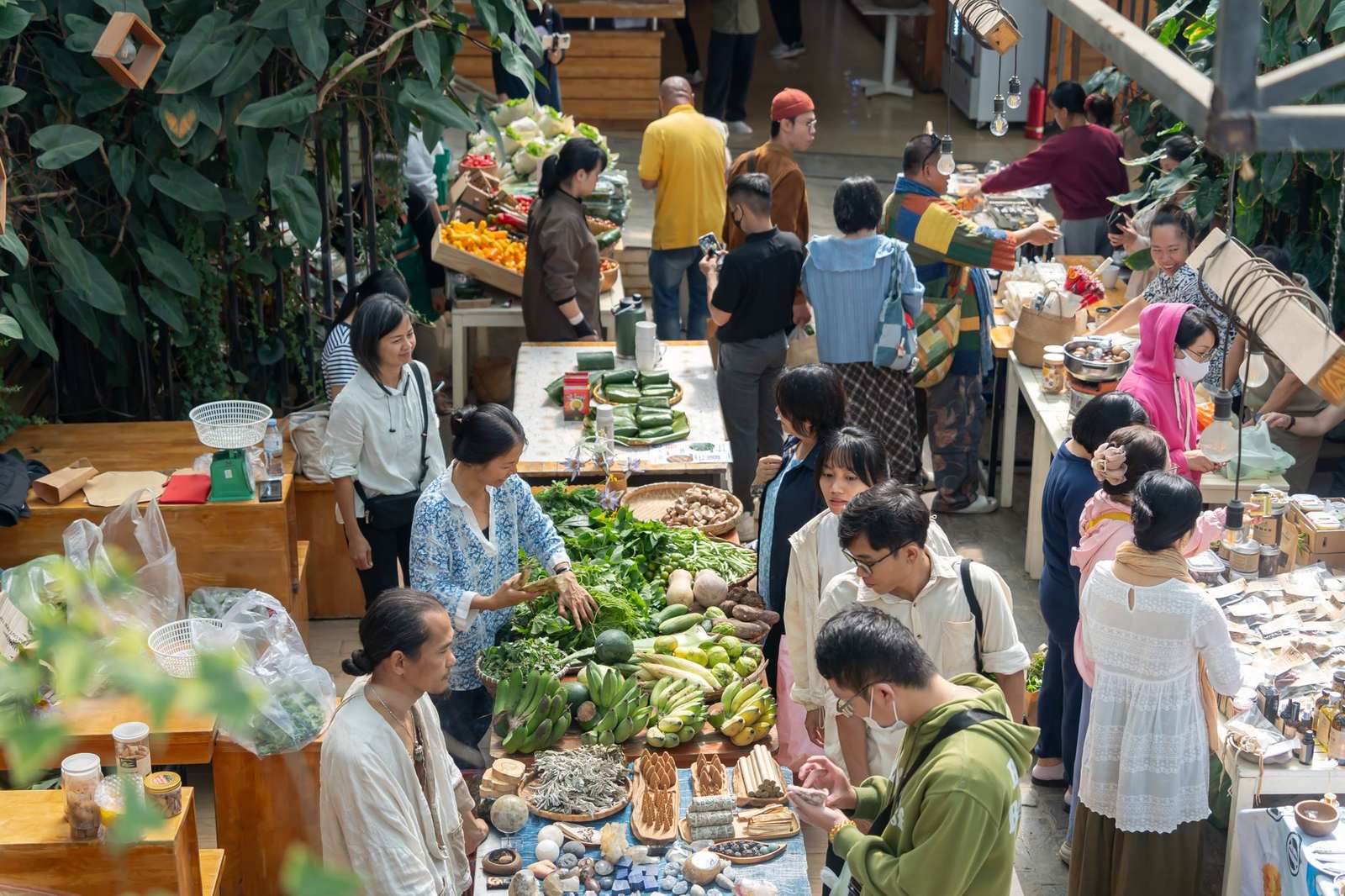
- Eat at restaurants, cafes and markets that use regional produce, and ask what is grown or made nearby.
- Book local guides and small operators for walks, tours and activities.
- Buy crafts and food from the people who made them, at markets or artisan shops.
- Pay local businesses directly where that is practical, so less is lost to intermediaries.
The reasoning behind this list is the leakage point above: the more of your spending goes to businesses owned and staffed by residents, the more of it can pay local wages. None of these choices guarantees a particular result, because supply chains differ from place to place.
Small questions help. Asking a host “Who owns this place?” or “Where does the food come from?” costs nothing and often starts a useful conversation.
Benefits beyond money
Visitors can support things that do not show up in a till receipt. UN guidance on sustainable development calls for policies that promote “local culture and products”, which is the wording of SDG target 8.9. (UN DESA)
That same page quotes the World Tourism Organization’s definition: sustainable tourism is “tourism that takes full account of its current and future economic, social and environmental impacts, addressing the needs of visitors, the industry, the environment and host communities”. Host communities sit alongside visitors in that definition, which is a useful reminder that a good trip works for both.
In practice, this means:
- Respecting local customs, dress codes and quiet hours.
- Asking before photographing people or private property.
- Following the rules on trails, reserves and heritage sites.
- Travelling outside the busiest weeks when you can, so work is spread across the year.
For more everyday habits, see our sustainable tourism tips.
Honest limits and trade-offs
Tourism is not a cure-all. The Travel Foundation summary warns that opportunities created by tourism “can worsen issues of inequality faced by the community – through poor wages in tourism-related businesses, for instance, and favoring the needs of tourists over locals”. The same summary says that, despite the problems, there are many good examples where tourism “has boosted entrepreneurship and local community well-being”.
The practical lesson is to treat your choices as a helpful nudge, not a fix. Respectful behaviour, fair prices and a willingness to follow what local people ask of visitors matter as much as where you spend.
It also helps to remember that sources differ. Leakage estimates depend on how a study counts imports, ownership and wages, so treat any single percentage as a rough guide rather than a precise measure for the place you plan to visit.
Frequently asked questions
What are the main benefits of regional tourism for a community?
Show answer
Jobs, local business income, wider economic variety and support for local heritage. The European Committee of the Regions and UN Tourism study links rural tourism to economic diversification, job creation and cultural heritage preservation.
Does my money really stay in the destination?
Show answer
Not always. A Travel Foundation report, as summarised by Travel Local, says as little as 20% of what you spend on travelling to a destination may remain there. Choosing locally owned businesses is the simplest way to improve that.
Is spending at a big chain always bad for locals?
Show answer
No. Chains employ local staff and pay wages, so they are not worthless to a community. The concern is that profits and supplies often flow to owners and suppliers outside the region, which is the leakage the University of West Florida source describes.
How can I tell if a business is locally owned?
Show answer
Ask. Small guesthouses, family restaurants and market stalls are usually happy to say who runs them and where their goods come from. Websites and signs often name the owner or family too.