Wondering what regional tourism really means for the places you visit? It is travel that spends time and money outside the big gateway cities, and it works best when visitors, residents and local businesses all gain.
| Item | Value |
|---|---|
| Member states answering the UNWTO rural tourism survey | 79 countries |
| Countries calling rural tourism a priority | 47 countries (59%) |
| Countries with specific rural tourism policies and support systems | 20% of those surveyed |
| Countries expecting a better outlook for rural tourism over the next decade | 96% of those surveyed |
| Countries with at least one type of rural tourism statistic | 63% of those surveyed |
| Countries naming a limited data budget as the main obstacle | 47 countries (59%) |
These figures come from a UNWTO member-state survey summarised in Tourism and Rural Development: A Policy Perspective, published on 17 May 2023. Figures can change, so check the source before you rely on them.
What regional tourism means in practice
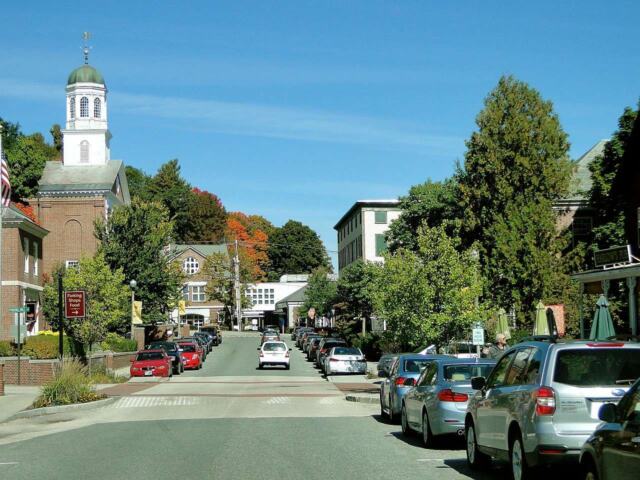
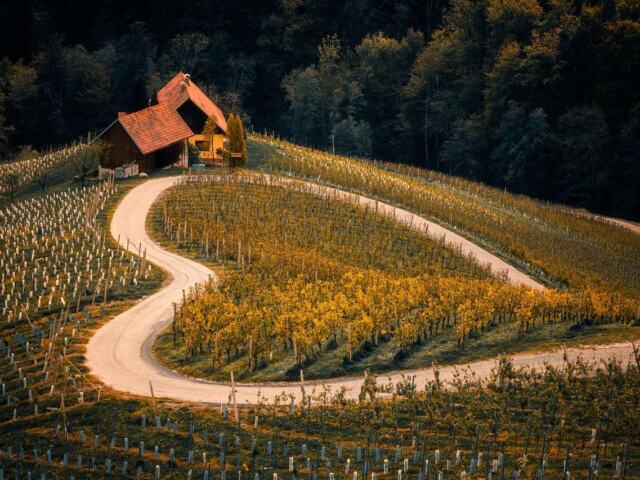
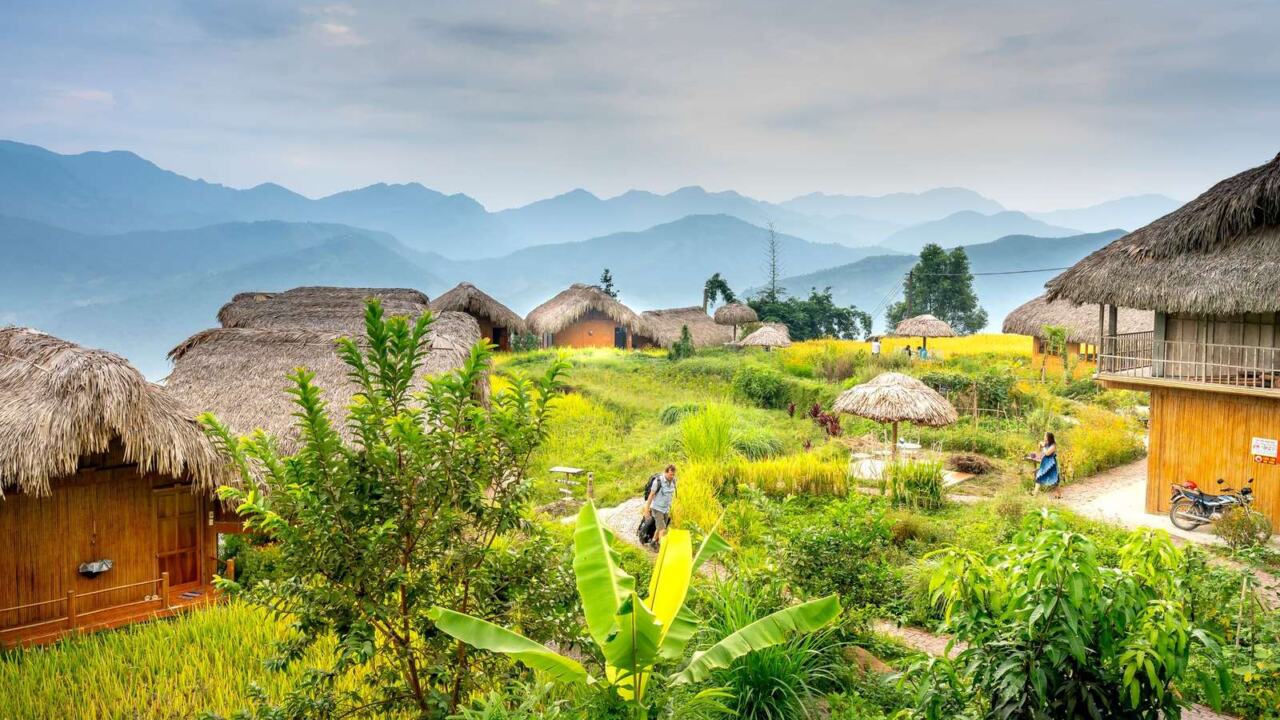
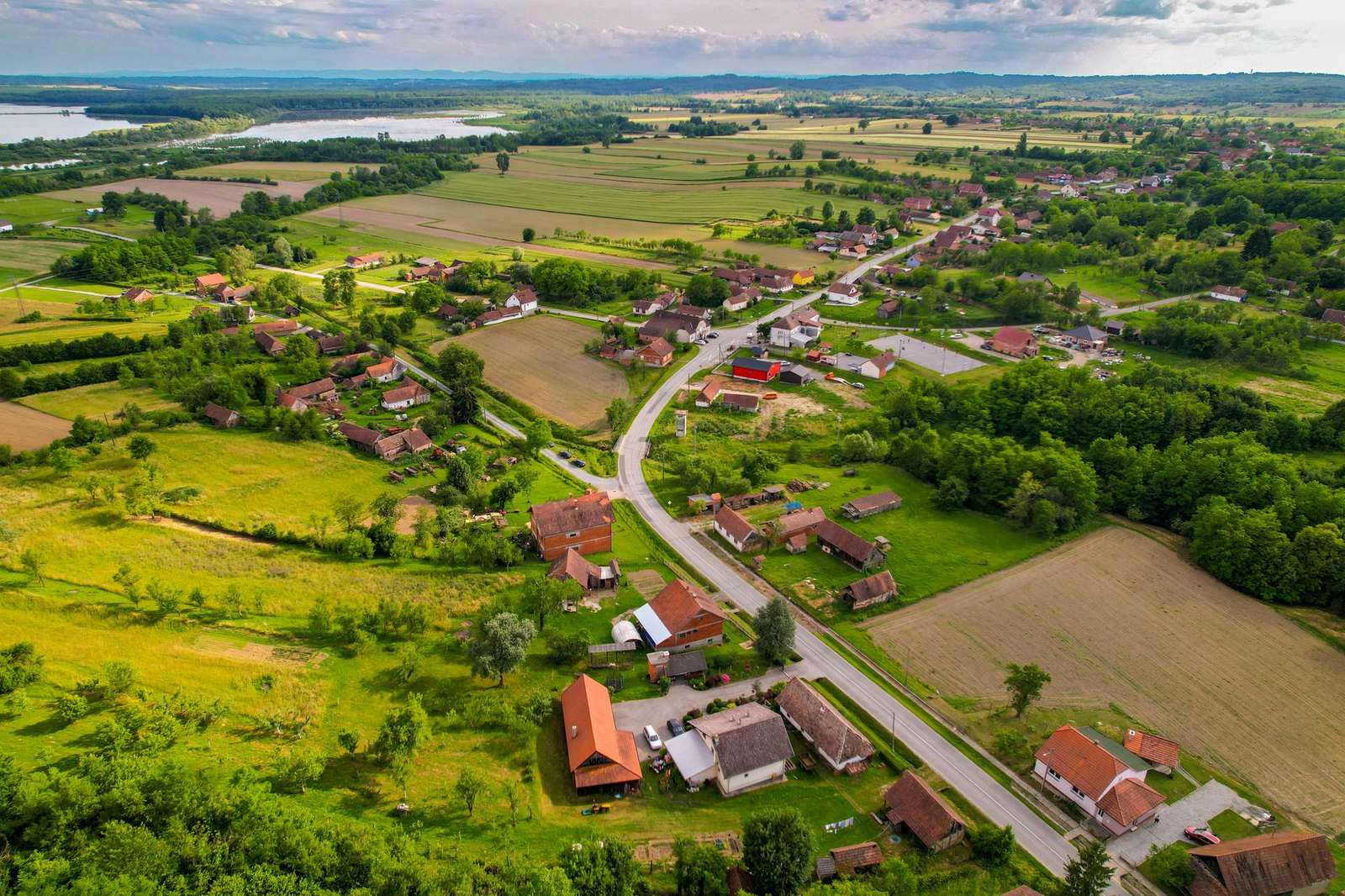
In plain terms, regional tourism is travel to places beyond the headline destinations. Think market towns, coastlines, farmland, mountain valleys and small cities that sit well away from a country’s capital and its best-known resort areas.
The term is used loosely, so it shifts a little depending on who is speaking. Some people use it for trips inside their own part of a country, while others use it for any visit that moves spending away from crowded hotspots.
Much of the formal research looks at rural tourism, which overlaps with regional tourism but is not identical to it. In a UNWTO member-state survey summarised here, 56 of the 79 countries answering (71%) agreed with the proposed definition of rural tourism. The other 21 countries (27%) agreed to complement it with comments underlining a wider spectrum of rural-related activities and community-based management models.
If you are new to the topic, start with the what is regional tourism guide for beginners, then come back here for the wider picture. The guide on rural tourism explained looks at the countryside side of things in more depth.
Many regional trips also suit a slower pace, and the guide on what is slow travel explains that mindset. Here is what usually sets a regional trip apart from a classic city or resort break:
- Smaller communities: visitors are more noticeable, so your behaviour and spending matter more locally.
- Locally run services: lodging, food, guiding and transport are often provided by nearby operators rather than large chains.
- Longer journeys between stops: getting around needs more planning than in a dense city.
- Quiet and busy periods: some places swing sharply between the two, which affects what is open and how crowded it feels.
Who takes part in regional tourism?
Regional tourism is not only about the traveller. It is a shared system in which several groups make choices that affect each other, and the outcome is better when those choices line up.
Visitors
As a visitor, you shape the outcome through small decisions: where you sleep, where you eat, how long you stay and when you travel. Staying longer in one area and buying from nearby suppliers gives local businesses a better chance of benefiting from your trip.
The guide on how to support local businesses while traveling turns that idea into practical habits. Respect for local customs matters just as much, and cultural etiquette when traveling covers the basics of behaving well as a guest.
Residents
Residents live with the results long after visitors leave. The joint study by UN Tourism and the European Committee of the Regions, announced in a press release dated 15 April 2024, describes rural tourism as a bridge between tradition and modernity that fosters community participation and sustains local services.
That is a useful test for any destination. A place where residents have a voice, and where local services such as shops, transport and schools gain from visitor demand, is likely to welcome you more warmly.
Local businesses
Small operators sit at the centre of regional tourism: guesthouses, farm shops, family restaurants, guides and craft makers. The UNWTO survey summary notes that tourism in rural areas can have a positive impact through benefit-sharing mechanisms along the tourism value chain, as reported in the survey summary.
The European study makes a related recommendation: integrate rural value chains in tourism, with collaboration between businesses and stakeholders so that synergies develop within the local economy, according to the April 2024 press release. In practice that can mean a hotel buying from local farms, or a tour company working with a neighbouring museum.
Public bodies and policymakers
Governments and regional authorities set the conditions: roads, public transport, training, funding and planning rules. The same press release says the report offers a roadmap for policymakers, local governments and stakeholders who want to harness rural tourism while addressing its challenges, as described in the 15 April 2024 announcement.
Policy attention varies widely, which the next section covers in more detail.
What the evidence says about regional tourism’s impact
Most published evidence is framed around rural areas, so read it as a close guide to regional tourism rather than a perfect match. The sources below are official or intergovernmental, and each is dated so you can judge how fresh it is.
Resilience and local demand
According to the April 2024 press release on the UN Tourism and European Committee of the Regions study, rural tourism showed resilience during and after the pandemic. It saw a surge in popularity, particularly among local travellers, which the study treats as a sign of its potential as a robust economic driver.
Jobs, culture and diversification
The same study sees potential for rural tourism to drive economic diversification and job creation, and it underscores tourism’s contribution to preserving cultural heritage, as set out in the press release. It also says rural tourism can help address depopulation, inequality and limited access to basic services.
The UNWTO survey points the same way. Countries most often named the creation of new jobs, the improvement of livelihoods and the fighting of depopulation as opportunities, and conserving cultural and natural resources came next, according to the survey summary.
For a plain-language look at what travellers and communities can gain, see the guide on the benefits of regional tourism.
How seriously governments take it
In the UNWTO survey, 47 of the 79 responding countries (59%) said rural tourism is a priority, and another 29 (37%) called it an indirect priority, as reported in the survey summary. Yet only 20% had specific policies and support systems for it, and the most common specific tool was public investment programmes, present in 22 countries (28%).
Specific plans or policies for rural tourism existed in 16 countries (20%), according to the same source. Looking ahead, 47% of responding countries expected rural tourism to be much better than now over the next decade and 49% expected it to be better, so 96% foresaw a better outlook.
The wider economic picture
Regional tourism does not happen in isolation from the wider economy. An OECD report released in December 2024 analyses economic and social outcomes across member countries, including labour markets, climate change, living standards and equal opportunities in urban and rural areas, as described on the EU Tourism Platform page that listed it on 17 January 2025.
That page says the findings highlight the need for targeted policies to address challenges, improve sustainability and enhance quality of life, with specific interventions suggested for regions lagging in economic and social development. For travellers, the takeaway is simple: a region’s visitor economy sits alongside jobs, services and population trends, not apart from them.
Challenges regional destinations face
Regional tourism is not automatically good for a place. The UNWTO survey summary ranks the main obstacles, and they explain why a well-meant trip can still run into problems on the ground, as set out in the survey summary.
- Infrastructure gaps: the top-ranked challenge was deficiencies in roads, ports, airports and other infrastructure that allow access to rural areas.
- Depopulation and economic pressure: the second-ranked challenge was people leaving rural areas for urban regions, made worse by seasonality and product competitiveness.
- Skills and training: the third-ranked challenge was the lack of education, training and capacity to attract and retain workers.
- Money and innovation: limited access to financial systems and limits on developing new tourism products also ranked highly.
- Natural resources and data: degradation of natural resources and limits in handling data and information completed the top-ranked list.
The European study names similar problems, listing inadequate infrastructure, limited financial resources and declining local populations, while also treating them as opportunities for growth, per the April 2024 press release. In other words, the gaps that make a region harder to visit are often the same gaps that tourism could help close if it is managed well.
Seasonality and quiet periods
Seasonality increases the instability of rural businesses and, in part, prevents places from keeping their people and skills, according to the UNWTO survey summary. Travelling outside the busiest weeks can help even out demand, though it brings trade-offs such as reduced opening hours.
The guide on off season travel pros and cons weighs those trade-offs so you can decide what suits your trip.
Why the data is thin
Overall, data on rural tourism is still scarce, with wide variations in how often it is collected and which areas it covers. Even so, 63% of surveyed countries have at least one type of related statistic, usually total site visits, overnight stays or occupancy rate, as reported in the survey summary.
The reasons are mostly practical. Some 47 countries (59%) said limited budget was the main challenge, closely followed by a lack of technology for gathering, processing and analysing data, cited by 44 countries (56%), according to the same source. That is worth remembering when you read any claim about the exact size of regional tourism: the underlying numbers are often patchy.
How can you travel regionally in a way that helps?
You cannot fix a region’s infrastructure or skills gap on a weekend away, but you can avoid adding to its problems. The steps below are editorial suggestions that follow from the research above, not rules.
- Choose an area, not a checklist. Pick one region and explore it properly, rather than ticking off sights across several.
- Plan how you will get around. Because access is a recurring weakness, check bus, rail and road options early and allow extra time.
- Book locally run places. Family guesthouses, independent restaurants and local guides keep more of the visitor economy nearby.
- Spread your timing. Where it suits you, travel outside peak weeks and mid-week to ease pressure on small communities.
- Learn local customs before you arrive. A few minutes of reading avoids awkward moments and shows respect.
- Look after the landscape. Stay on marked paths, carry out your rubbish and follow local access rules.
A good regional trip starts with a question: what does this area do well, and who makes that possible? Read the local tourism information pages, community notice boards and small-business websites before you book. You will often find markets, festivals and walking routes that the big booking platforms may not feature.
Resist the urge to fill every hour. A regional trip tends to reward unhurried time: a long lunch at a family restaurant, a conversation with a guesthouse host, an unplanned detour to a village market. Those moments are often where visitors learn most about a place, and they are also where small businesses benefit directly.
Remember that services can be thinner outside cities. Shops may close early, fuel stations and cash machines can be far apart, and mobile signal may drop in valleys or on coastal roads. Carry some cash and offline maps, and confirm opening days with your host before a long drive.
Think about where your money lands. A meal at an independent café, a ticket to a community-run museum or a purchase from a local maker is a different kind of spend from a booking taken by a distant company. Choose local ownership where you can, while accepting that perfect choices are not always available.
Travelling with others changes the plan. If you are with children or older relatives, fewer bases and shorter days usually make a regional trip calmer, and they leave room for the unexpected. Ask your accommodation about step-free access and distances to shops, as rural buildings and paths vary a great deal.
Respect for residents is the quiet foundation of the whole system. Ask before photographing people or private property, keep noise down in villages where people live and work, and close gates behind you. If a community asks visitors to follow particular rules, such as closed paths during farming seasons or quiet hours, treat these local rules as a condition of your welcome.
Afterwards, the trip can keep helping. Leave an honest review that names the small businesses that served you well, and recommend places that deserve visitors outside the peak weeks. A thoughtful review costs nothing and can mean more to a small operator than a bare star rating.
Finally, accept that no trip will be perfect. You may end up in a chain café because nothing else was open, or drive when no bus ran. What matters is the overall pattern of your choices, and a little effort in the planning stage usually shifts that pattern in the right direction.
For the logistics, the guide to regional travel planning covers how to build an itinerary around one area. If you are driving, road trip planning helps you pace the route and avoid overlong days.
To go further on the environmental side, the guide to sustainable tourism tips offers more everyday habits. Used together, these guides help you turn good intentions into choices that local people can actually feel.
Frequently asked questions
What is regional tourism?
Show answer
It is travel to areas beyond a country’s best-known cities and resorts, such as market towns, coasts, farmland and mountain valleys. The term is used loosely, so check how a writer or organisation is using it before comparing figures.
Is regional tourism the same as rural tourism?
Show answer
They overlap but are not identical. Most of the formal research cited here, including the UNWTO survey summarised in this report, is about rural areas, so it fits regional tourism closely rather than exactly.
Does regional tourism help local economies?
Show answer
The evidence points to potential rather than a guarantee. The study announced in the April 2024 press release sees scope for economic diversification, job creation and cultural preservation, but it also lists challenges such as inadequate infrastructure and declining local populations.
Why is there so little data on regional tourism?
Show answer
Mostly because of limited budgets and technology. In the UNWTO survey, 47 countries (59%) named limited budget and 44 (56%) named a lack of data technology, as reported in the survey summary.
How can you avoid harming a small destination?
Show answer
Travel with a plan, book locally run services, respect local customs and look after the landscape. The six steps in the section above set these out in order, and none of them need a bigger budget.