Heading beyond the cities and unsure what you’ll find? Rural tourism explained in one line: it is travel in non-urban areas, built around farms, landscapes and local culture, and it rewards advance planning.
This guide belongs to the wider topic of regional tourism, which looks at how travel works outside the big hubs.
| Item | Value |
|---|---|
| Countries in the UNWTO rural tourism survey | 79 countries |
| Countries calling rural tourism a priority | 47 countries (59%) |
| Countries with specific rural tourism policies and support systems | 20% |
| Countries with at least one type of rural tourism statistic | 63% |
| Countries expecting a better outlook for rural tourism | 96% |
| Typical work asked of a WWOOF visitor | About four to six hours a day |
The survey figures come from the UNWTO policy report summary published in May 2023, and the farm-work figure from the EBSCO Research Starter on rural tourism. Figures can change, so check the sources before you rely on them.
What rural tourism includes
Rural tourism is, in the EBSCO Research Starter’s wording, travel in non-urban areas. Farms, country settings, forested areas and cultural events and centres all fall under it, with the focus on enjoying nature away from cities and crowds (EBSCO).
There is no single agreed definition. A systematic literature review published in June 2021 found four key aspects in how rural tourism is defined:
- Location
- Sustainable development
- Community-based features
- Experiences
The same review found that location is the main defining trait in both developed and developing contexts. Sustainable development and community-based aspects show up more in research on developing countries, while the experience side appears more often in research on developed ones (PolyU Scholars Hub).
Governments tend to agree on a shared starting point. In the UNWTO survey, 56 (71%) of the 79 responding member states agreed with the proposed definition of rural tourism, and the rest asked to complement it with a wider range of rural activities and community-based management models (UNWTO summary).
What a rural trip can look like
Rural trips cover a wide range. Many modern visitors travel for recreation such as hiking and biking, while others look for agritourism, which centres on farms and other agricultural settings (EBSCO).
Common formats include:
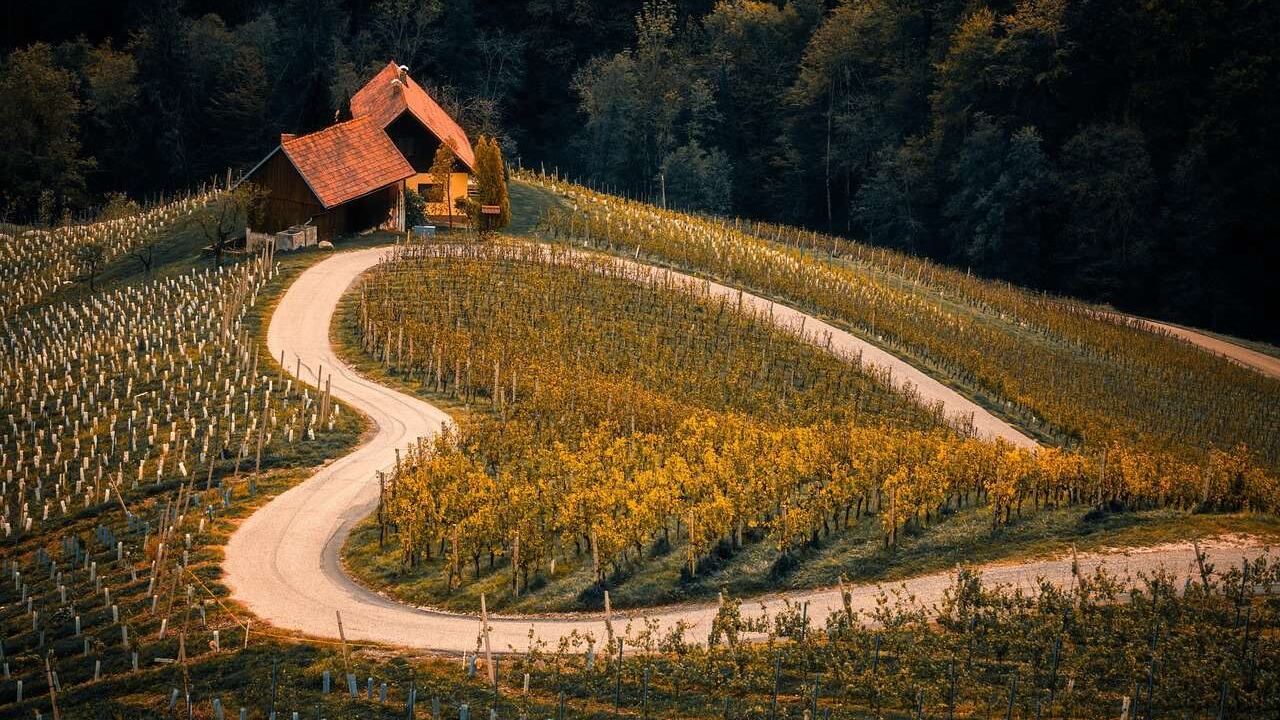
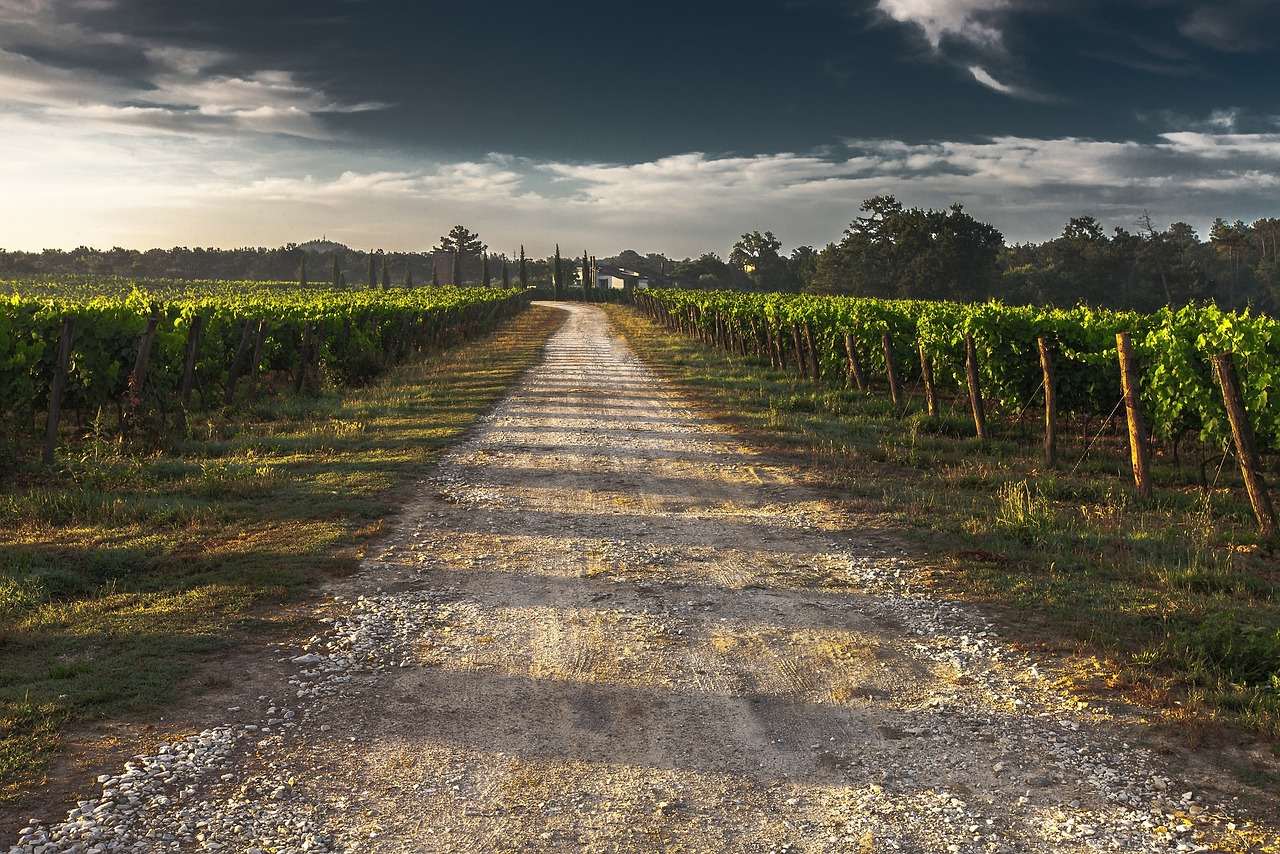
- Farm and vineyard visits, including themed tours that let producers sample and sell their products.
- Special events such as county fairs and festivals.
- Historic sites and themed travel routes.
- Hands-on stays where you help with the work.
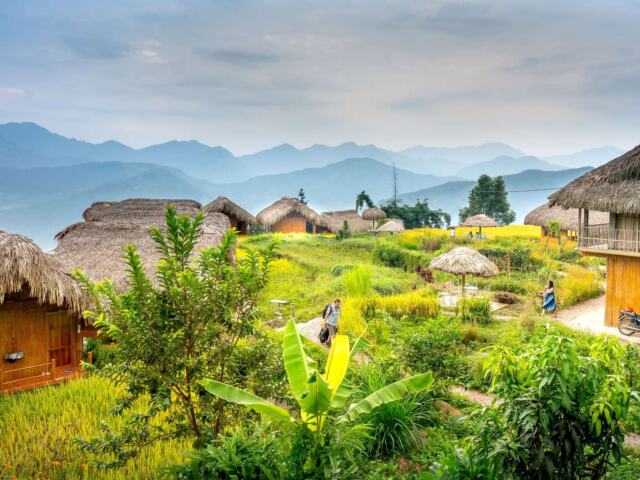
The hands-on option is run by World Wide Opportunities on Organic Farms (WWOOF), a neutral example named in the EBSCO piece. Hosts offer room and board in exchange for about four to six hours a day of work, such as milking, planting, harvesting or making bread and cheese (EBSCO).
Public bodies also back local events. According to the same source, Fáilte Ireland, the National Tourism Development Authority, provided more than 1.8 million euros in 2016 for national events and festivals (EBSCO).
Why governments back rural tourism
The UNWTO survey of 79 countries was carried out between October 2022 and January 2023, and the report was published in May 2023. In it, 47 countries (59%) said rural tourism is a priority, and another group treats it as an indirect priority through community-based tourism policies (UNWTO summary).
Support is often not rural-specific. Only 20% of the surveyed countries had specific policies and support systems for rural tourism, while most others folded it into policies for another form of tourism such as ecotourism (UNWTO summary).
Where policies exist, they mainly focus on:
- Developing and diversifying tourism products and services.
- Improving infrastructure and support services.
- Education and capacity building.
- Engaging and empowering local communities.
The hoped-for payoff is local. Countries most often named new jobs, better livelihoods and the fight against rural depopulation as the opportunities, and 96% of responding countries expected a better outlook for rural tourism over the following decade, as of the May 2023 report (UNWTO summary).
Challenges you may meet on the road
The survey’s top-ranked challenge was the infrastructure gap: deficiencies in the roads, ports, airports and other links that give access to rural areas. Remote locations and difficult terrain make that worse (UNWTO summary).
Other pressures affect what a visitor finds on arrival:
- Depopulation as people move to urban regions.
- Seasonality, which adds to the instability of rural businesses.
- Shortages of training and skilled workers, since training programmes tend to be concentrated in cities.
The literature review adds that rural destinations face both internal and external challenges. Internal resources cause the greatest problems in developed and developing contexts alike, though external challenges were found to be greater in developed ones (PolyU Scholars Hub).
Information is thin too. Overall, data on rural tourism is still scarce, and 63% of countries have at least one type of rural tourism statistic, most often site visits, overnight stays and occupancy rate (UNWTO summary). Expect to cross-check opening hours and access details yourself.
How to prepare for a rural trip
These steps follow the challenges above. They are practical inferences from the sources, not official guidance.
- Plan your transport. Because access infrastructure is the biggest named challenge, allow extra time and confirm how you will reach and leave each place.
- Confirm opening times. Seasonality strains rural businesses, so check that farms, venues and lodgings are open on your dates. The trade-offs in off season travel pros and cons are worth reading before you choose them.
- Clarify what a stay involves. If you choose a work-for-board arrangement, ask about the daily hours and tasks first.
- Favour community-run experiences. The UNWTO report links tourism’s benefits to benefit-sharing along the value chain.
- Respect the place. The EBSCO piece stresses balancing economic benefits with environmental sustainability and community involvement.
- Slow down. If you like staying longer in fewer places, the guide on what is slow travel explains that approach.
Frequently asked questions
Is rural tourism the same as ecotourism?
Show answer
No. The UNWTO survey treats them as different forms of tourism, and many countries include rural tourism inside policies written mainly for community-based tourism or ecotourism (UNWTO summary).
Do I have to work on a farm?
Show answer
No. Farm work is one option. WWOOF hosts ask for about four to six hours a day in exchange for room and board, but hiking, festivals and vineyard tours need no labour (EBSCO).
Is there reliable data on rural tourism?
Show answer
Only partly. The UNWTO survey says data is still scarce, with 47 countries (59%) naming a limited budget as the main obstacle to collecting it (UNWTO summary).
Is the outlook for rural tourism positive?
Show answer
Among the 79 responding countries, 96% expected a better outlook for the next decade, as of the UNWTO report published in May 2023. That is an expectation, not a guarantee (UNWTO summary).