Planning a trip beyond the big cities and unsure what it’s called? Here is your what is regional tourism guide for beginners: regional tourism means visiting areas outside capital cities, and it spreads spending to smaller communities.
This guide sits within the wider topic of regional tourism, and it starts with the basics.
| Key fact (Australia) | Value |
|---|---|
| Visitor economy share of GDP in regions | 4.1 per cent (capital cities: 2.7 per cent) |
| International visitor spending that goes to cities, 2019 | 84 per cent |
| Regional visitor spending from domestic travellers, 2019 | More than 90 per cent |
| International spending in the regions captured by the top 10 destinations, 2019 | 68 per cent |
| Growth in regional visitor spending, August 2022 vs August 2019 | Up 46 per cent (capital cities: up 12 per cent) |
These figures are quoted from Austrade in the Parliament of Australia committee report. Figures can change, so check the source before you rely on them.
What regional tourism means
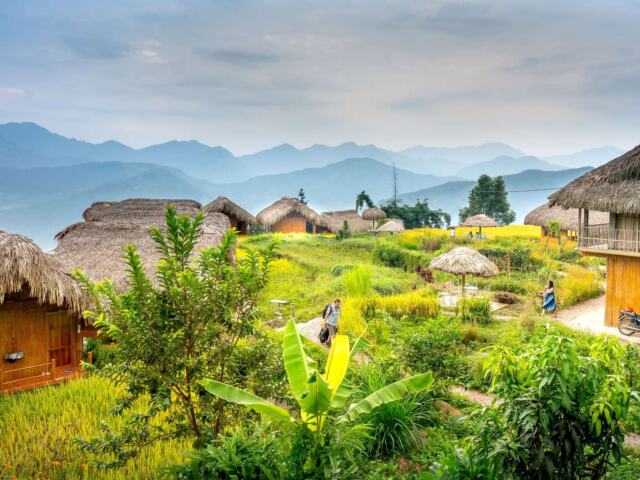
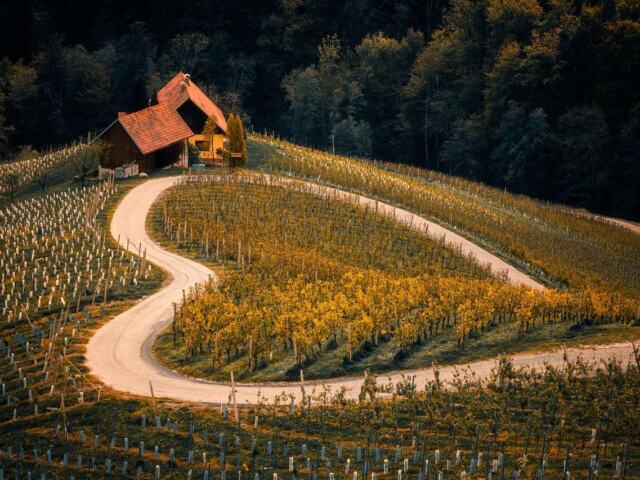
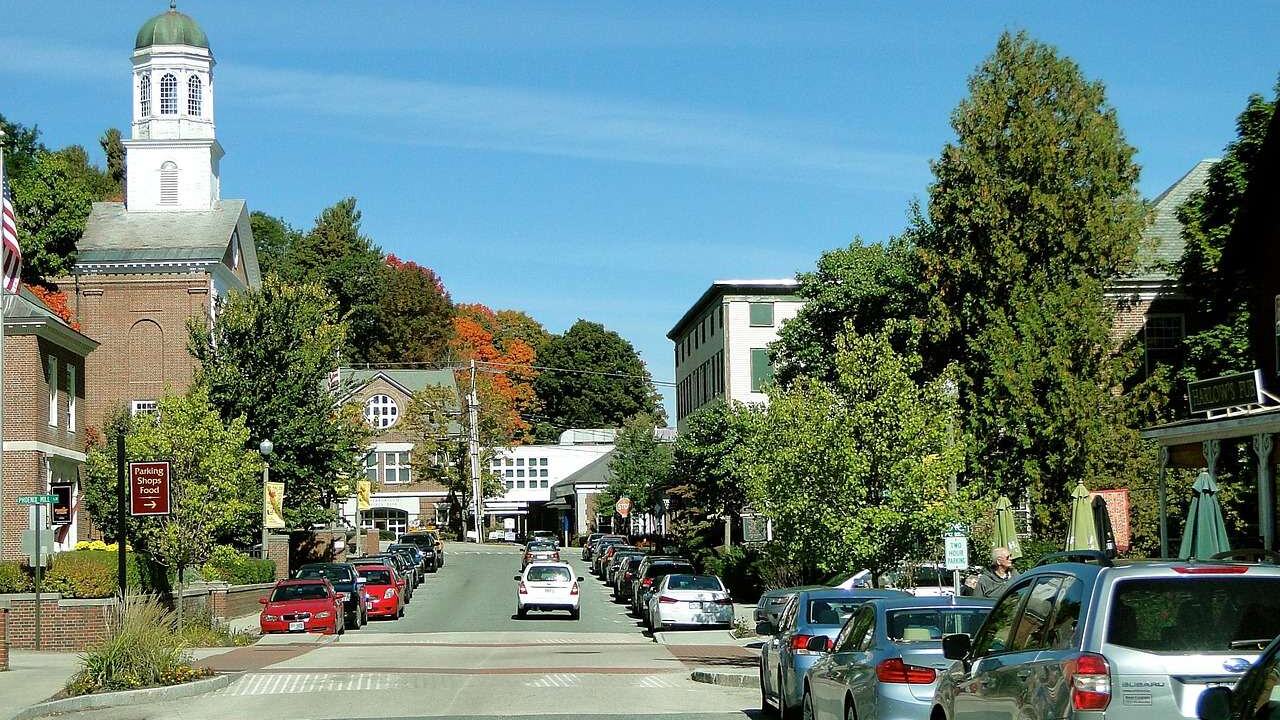
Regional tourism is travel to places outside a country’s major cities, such as coastal towns, farming districts, national parks and small inland communities. This guide uses that plain working definition. Its examples come from Australia, where official bodies track the gap between capital cities and regions.
The edges of the idea are blurry. The Parliament of Australia committee report describes peri-urban areas as areas between built-up suburbs and more regional or rural areas, and it names the Blue Mountains, Darwin, the Gold Coast and Geelong as examples. You can read that definition in the committee’s chapter on other tourism opportunities.
Interest in the idea is not new. A Deloitte Access Economics analysis dated 18 Nov 2019 opened by noting that more and more visitors were choosing regional destinations across Australia. Its visitor regional dispersal analysis asked how to encourage people to explore beyond the capital cities.
Why regional tourism matters
Tourism carries more weight in regional economies than in big cities. Austrade told the committee that the visitor economy contributes 4.1 per cent to gross domestic product in regions, compared with 2.7 per cent in capital cities, as set out in the Parliament of Australia report.
The pandemic showed how quickly regional demand can shift. With borders closed, many Australians who could not travel overseas for much of 2020 and 2021 travelled at home instead. Austrade noted that visitor spending in regions was up 46 per cent in August 2022 compared with August 2019, against only 12 per cent in capital cities, according to the same committee report.
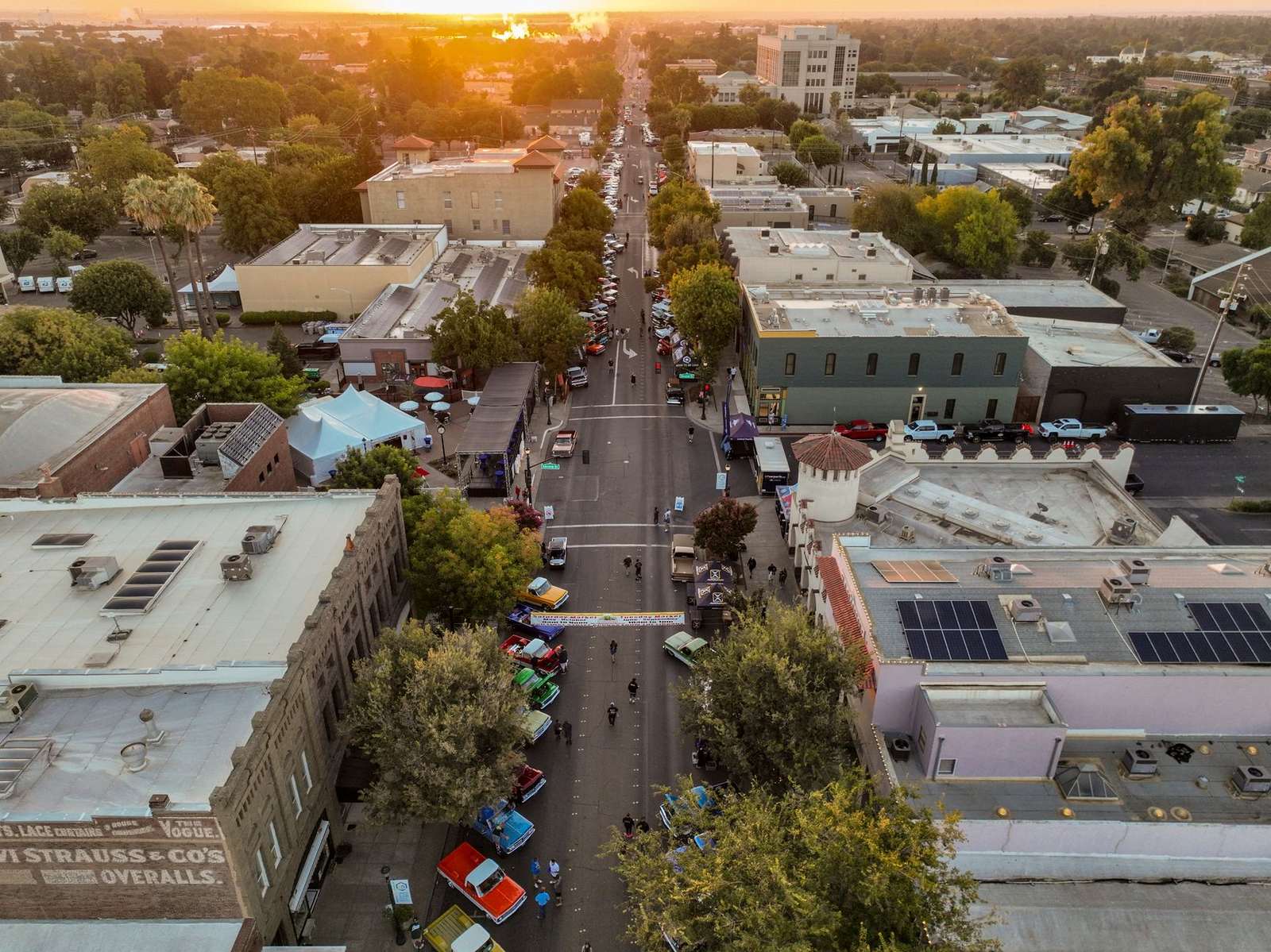
If you want to see what communities can gain from visitors, the benefits of regional tourism are covered in a separate guide.
The dispersal challenge
Tourism researchers talk about dispersal, meaning how far visitors spread beyond the main cities. Austrade described international dispersal to regional Australia as “limited and shallow”. It reported that, in 2019, cities received 84 per cent of international visitor spending, and regions drew more than 90 per cent of their visitor spending from domestic travellers, per the Parliament of Australia report.
The pattern is also concentrated within the regions. Only two non-capital tourism regions, the Gold Coast and Tropical North Queensland, achieved more than 10 per cent of their total visitation from international visitors. The top 10 regional destinations accounted for 68 per cent of international spending in the regions, and the top two for 41 per cent, as the committee report sets out.
Travel habits explain part of this. A Tourism Research Australia report cited by the committee found that the main constraints on regional travel are time and cost, and that most regional visits are day trips rather than overnight stays. The same report found that regional visits cluster in destinations close to capital cities and coastal centres, as the Parliament of Australia report explains.
Why do travellers head to the regions?
The committee report points to several drivers of regional visits by international travellers:
- Visiting friends and relatives.
- Exploring nature.
- “Bucket list” holidays.
Nature features strongly. The report says that Tourism Australia research shows international visitors prioritise natural beauty, aquatic and coastal activities, and wildlife, and that these experiences are typically found in regional areas. Submissions also noted that post-COVID-19 research showed people placing a higher value on uncrowded destinations, and that more people wanted an outdoor trip and a chance to experience nature. Both points appear in the committee’s chapter.
The same chapter says regions have room to grow emerging sectors such as nature-based tourism and agritourism. As one example, the South Australian Tourism Commission pointed to Kangaroo Island and the Murray River as regional experiences that appeal to international visitors. That example is drawn from the same Parliament of Australia report.
How to start exploring the regions
You do not need a complicated plan for a first regional trip. These steps keep it simple:
- Pick a theme you care about, such as nature, local food or visiting family.
- Choose a region that fits your time and budget, since cost and time are the usual limits.
- Consider an overnight stay rather than a day trip, so you have time to see more.
- Look for smaller places beyond the best-known names, which tend to get the most visitors.
- Learn the basics of local manners before you go.
Customs can differ from what you know in a city, so it helps to read up on cultural etiquette when traveling before you set off. A little preparation makes it easier to be a welcome guest in a small community.
Frequently asked questions
What is regional tourism in simple terms?
Show answer
It is travel to places outside a country’s big cities, such as coastal towns, farming areas and national parks. This guide uses that working definition, and its figures come from Australian sources.
Is a place like the Gold Coast regional?
Show answer
It depends on the definition. The Parliament of Australia committee report lists the Gold Coast, along with the Blue Mountains, Darwin and Geelong, as examples of peri-urban areas, which sit between suburbs and regional or rural areas.
Why do many international visitors skip the regions?
Show answer
The committee report says international visitors generally concentrate in capital cities. In 2019, cities received 84 per cent of international visitor spending, according to Austrade figures in the Parliament of Australia report. Time and cost are named as the main constraints on regional travel.
Do these figures apply outside Australia?
Show answer
No. The figures here describe Australia only. If you plan to travel elsewhere, look for local tourism data from that country.