
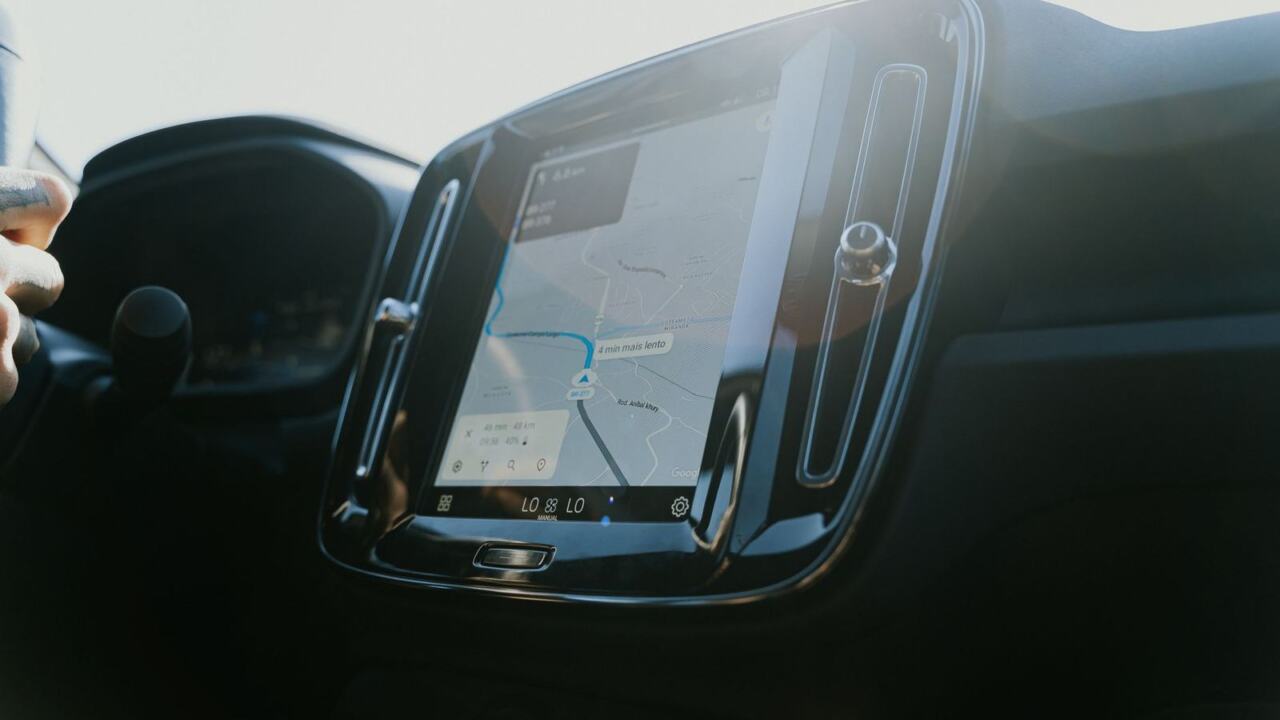
Worried you’ll forget something halfway down the highway? Here’s how to plan a road trip: pick a realistic route, check your car early, schedule regular breaks, and pack with care.
This guide is part of the wider topic of road trip planning on this site.
| Item | Value |
|---|---|
| Rest stop on long drives | At least 15 minutes every two hours |
| Tyre tread depth (UK guidance) | 1.6mm across the middle three quarters of the tread |
| Car battery age to watch | 5 years or more |
| Warning triangle distance behind a broken-down car | At least 45 metres on level ground |
These figures come from RACV’s road trip advice and Start Rescue’s road trip guide. Guidance can change, so check the source before you rely on the numbers.
Start with a realistic route
A good route is one you can actually drive without rushing. RACV advises that you take time to plan before you depart and use major, more well-maintained roads wherever possible.
Start Rescue suggests route planning software such as Google Maps, Waze or Bing Maps. These tools use community-based traffic data, so you can spot congestion ahead of time and re-plot as needed.

Mobile reception can be patchy in regional areas. RACV suggests you consider downloading maps for offline use before you go.
A simple route plan covers these points:
- Your start point, end point and any overnight stops.
- Where you can refuel or recharge, buy food and water, and get help on remote stretches.
- Extra time for breaks, traffic and weather.
- Someone at home who knows where you’re going.
How to plan your road trip car checks
Generali Travel Insurance suggests doing your car checks about 2-3 weeks before departure, which leaves time to visit a mechanic if something turns up (see Generali’s car checks page). RACV adds that you should avoid scheduling major servicing or repairs for the day before you leave.
Start with the service schedule. RACV says that if your vehicle is due or nearly due for its scheduled service, consider booking it in before your road trip rather than waiting until you return. It also suggests an inspection if you’ve noticed warning lights, unusual noises, braking problems, starting difficulties or changes in the way the car drives.
Then work through this short list of checks:
- Tyres: look for cuts, cracks, bulges and uneven wear, and check tread depth. Start Rescue gives 1.6mm across the middle three quarters of the tread.
- Tyre pressure: use the figure in your owner’s manual or on the door sticker. Generali says most passenger cars sit between 30-35 PSI.
- Lights: test headlights, brake lights, tail lights and indicators, as RACV lists.
- Battery: Start Rescue says batteries aged 5 years or more are more likely to fail.
- Wipers and fluids: replace smearing wipers and top up oil, coolant, brake fluid and washer fluid.
Measure pressure when the tyres are cold. Generali’s car checks page defines that as a car that hasn’t been driven for at least 2 hours.
RACV says you can find the recommended pressure in your car’s manual and often on the driver’s side door, in the glovebox or inside the fuel cap. It also notes that recommended pressures may differ when the car is carrying a full load, as set out in its road trip advice.
If your vehicle has a spare tyre, RACV says to check its pressure and condition too. Make sure the jack and wheel-changing equipment are in the car, so a puncture doesn’t end the trip.
For fluids, Generali suggests checking engine oil, coolant or antifreeze, brake fluid, power steering fluid and windscreen washer fluid. If your brake fluid is low, you might want to have your brake pads and discs checked for wear, according to Generali.
Don’t skip the paperwork and the glass. Generali advises checking that your vehicle registration is current and won’t expire during your trip. It also warns that small chips or cracks in a windscreen can compromise its strength significantly, so have them looked at before you leave.
For a fuller walk-through, use the car checklist before a road trip.
Plan your fuel or charging stops
Don’t assume a petrol station or charger will appear exactly when you need it. RACV says to identify fuel stops along longer or more remote stretches, and to fill up before entering an area with limited services.
If you drive an EV, RACV says to plan charging stops around the vehicle’s expected real-world range rather than relying solely on its maximum advertised range. It also lists highway speeds, hills, hot or cold weather, climate control and a heavy load as things that raise energy use. Note backup chargers in case your first choice is busy or unavailable.
How often should you stop?
RACV’s general guide is a rest stop of at least 15 minutes every two hours on long drives. Share the driving with another licensed driver where you can.
Start Rescue adds that you should consider planning more breaks if you’re driving at night. Breaks also give passengers a chance to stretch their legs, buy food and drink, and use the toilet.
Don’t wait for a scheduled stop if you feel tired sooner. RACV lists these warning signs of fatigue:
- Frequent yawning.
- Heavy eyes.
- Difficulty concentrating.
- Drifting within your lane.
What to pack and carry
Pack your safety kit first, then your luggage. RACV’s kit list includes a phone charger, bottled water, non-perishable food, the owner’s manual, a torch with spare batteries, jumper leads, a hi-vis vest and a reflective triangle.
Keep heavy items low and secure so they can’t move suddenly under braking or during a collision, according to RACV. Also keep your driving licence and insurance documents within reach, as Start Rescue’s checklist advises.
Start Rescue’s November 2025 guide says carrying a warning triangle is mandatory in many countries, though not in the UK. It says to place the triangle at least 45 metres behind your vehicle on level ground, and not to use one on a motorway because it is too dangerous.
For everything else you might bring, see the road trip packing list.
Frequently asked questions
How far ahead should you check your car?
Show answer
Generali Travel Insurance suggests about 2-3 weeks before departure, which leaves time for a mechanic visit if needed. See Generali’s car checks page.
How often should you take a break?
Show answer
RACV’s general guide is at least 15 minutes every two hours. Stop sooner if you feel tired, as set out in RACV’s road trip advice.
Do you need a warning triangle?
Show answer
As of Start Rescue’s November 2025 guide, carrying one is mandatory in many countries but not in the UK. Check the rules for every country on your route, as noted in Start Rescue’s road trip guide.
How should you plan an EV road trip?
Show answer
Start with enough charge and plan stops around real-world range rather than the maximum advertised range. RACV also recommends identifying backup chargers, in its road trip advice.