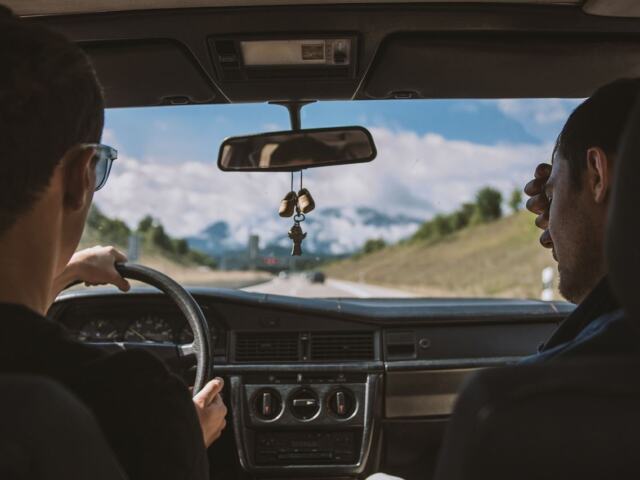
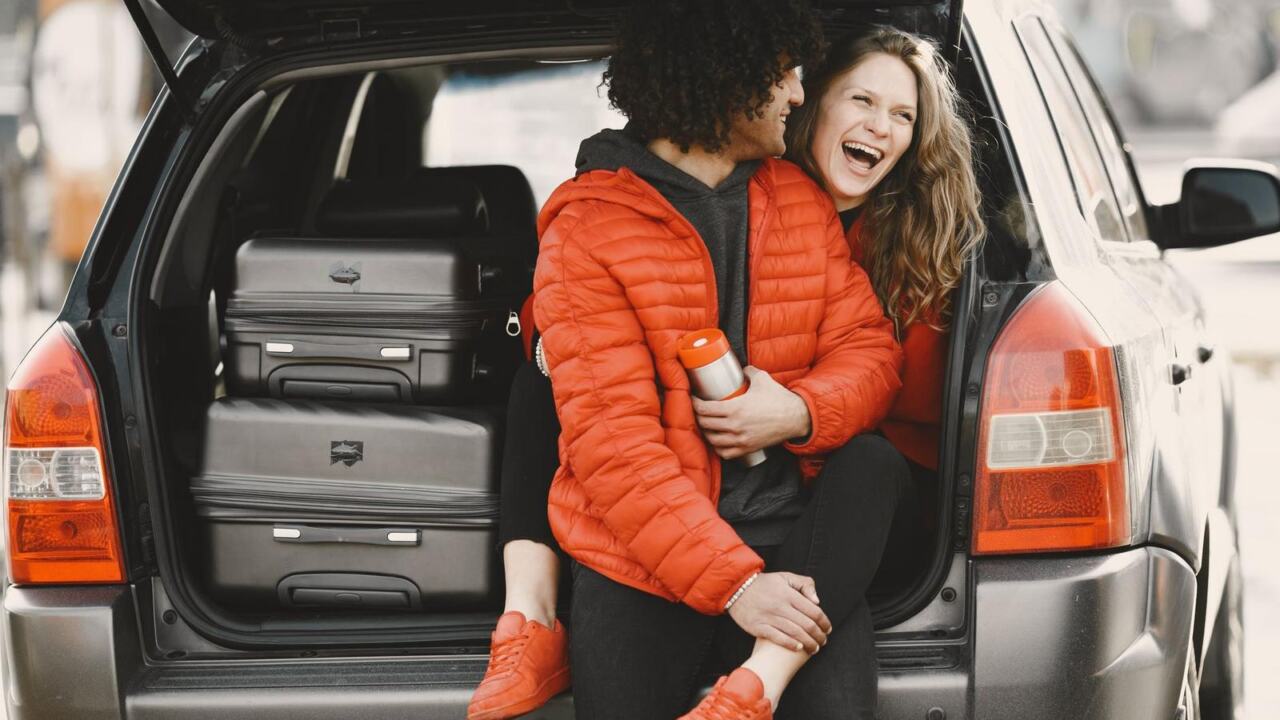
Worried about being stranded far from home? Your road trip packing list should start with a car emergency kit: jump-start gear, tire tools, visibility items and a flashlight. Even a well-maintained vehicle can break down.
This guide sits inside the wider topic of road trip planning, and it covers the in-car safety gear that every trip needs.
| Item | Value |
|---|---|
| Roadside calls AAA answered in 2024 | Roughly 31 million calls |
| Calls that topped AAA’s list | Dead batteries, flat tires and lockouts |
| Tire pressure check (NHTSA advice) | At least once a month, with cold tires |
| Agencies that list a flashlight | 4 (NHTSA, AAA, the Red Cross and FEMA) |
| Popular Science’s rule for each kit item | On at least 2 official checklists |
The figures come from Popular Science’s roadside kit guide and AAA’s car emergency kit page. They can change, so check the sources before you rely on them.
Why a car emergency kit comes first
AAA recommends that everyone, including members with roadside assistance, keep an essential road trip safety kit on hand. Its page, updated October 11, 2026, names breakdowns, crashes, fuel emergencies, severe weather and long or unplanned trips as the reasons. You can read the full advice on AAA’s car emergency kit page.
The need is common. Popular Science reports that AAA answered roughly 31 million roadside calls in 2024, with dead batteries, flat tires and lockouts topping the list. It also notes that NHTSA recommends every driver pack an emergency roadside kit, because even a well-maintained vehicle can break down.
So the kit is the foundation of your list, and everything else is built around it. The scenarios AAA names give you a simple way to test what you pack:
- A breakdown or crash on the roadside
- A fuel emergency
- Severe weather
- A long or unplanned trip
Power and jump-starting gear
According to Popular Science, a dead battery is the single most common reason people call for roadside assistance. That makes jump-starting gear the first thing to check before you load the car.
You have two options, and you can carry both:
- Jumper cables. NHTSA lists them on its essential kit list.
- A portable jump starter. It means you won’t have to flag down a stranger for help.
Pick the option that suits your car and your comfort level. If you carry cables, keep them somewhere you can reach without unloading the whole trunk.
Tire gear and pressure checks
Flat tires are right behind dead batteries on AAA’s list of the most common roadside calls, as Popular Science explains. NHTSA specifically recommends carrying a tire pressure gauge, a jack, a ground mat and basic repair tools.
Check what your own car comes with. Many newer vehicles don’t have a full-size spare, and in that case a plug kit or an inflator can get you to the nearest shop.
Pressure matters before you leave, too. NHTSA recommends checking your tire pressure at least once a month and when your tires are cold, per Popular Science. The correct pressure is listed on the driver’s door pillar or in your owner’s manual, not on the tire sidewall.
Tools and vehicle-specific extras
AAA suggests building part of the kit around your own vehicle, so you can handle a flat tire, a dead battery or a minor repair at the point of breakdown. Its page lists several items for that purpose:
- Nylon tow strap: if you are stuck in a ditch or ravine, another vehicle can use it to pull you to safety.
- Work gloves: they protect your hands and improve grip during tire changes and minor mechanical repairs.
- Waterproof patch and seal tape: another item AAA lists for minor fixes.
The details are on AAA’s car emergency kit page.
Both NHTSA and AAA recommend keeping basic repair tools in your vehicle, according to Popular Science. AAA also suggests duct tape, cable ties and spare fuses alongside a multitool for quick stopgap fixes.
Visibility and light for roadside stops
If you stop on the shoulder of a busy highway, being seen is critical. The same Popular Science guide says NHTSA recommends flares and a white flag. As of its February 2026 publication, AAA suggests DOT-approved warning triangles and a high-visibility vest.
Triangles have some practical advantages over traditional flares. The guide says they don’t burn out, don’t pose a fire risk near fuel and can be reused. It adds that LED flares are safer to store in a hot trunk than traditional ones, because they contain no pyrotechnic compounds.
A flashlight belongs on every list. It appears on the recommended lists of NHTSA, AAA, the Red Cross and FEMA, and the guide warns against relying on your phone’s flashlight because you’ll drain the battery you need for calling for help.
A short visibility checklist:
- Warning triangles or LED flares
- A high-visibility vest
- A white flag
- A flashlight that is not your phone
How should you organise and adapt your kit?
AAA says your emergency kit may be one large kit that you keep in your vehicle, or several smaller kits you can have nearby to grab in an emergency. It adds that the important thing is to think through the scenarios that may need emergency car supplies, and plan accordingly.
That advice points to a sensible way to adapt your list. Group items by job, such as power, tires, tools and visibility, so you can reach the right group quickly. Then adjust the contents to your car and your route.
Once the kit is sorted, the next step is the route itself, and our guide on how to plan a road trip covers it. Gear you still need to buy adds to your budget, so it is worth reading about how much does a road trip cost before you shop.
Frequently asked questions
Do I need an emergency kit if I have roadside assistance?
Show answer
Yes. AAA still recommends that everyone, including members, keep an essential road trip safety kit on hand for breakdowns, crashes, fuel emergencies, severe weather and long or unplanned trips, according to its page updated October 11, 2026.
How often should I check tire pressure before a trip?
Show answer
Make it a monthly habit and test while the tires are cold, which is the NHTSA advice relayed by Popular Science. Look for your target figure on the door pillar on the driver’s side, or in the owner’s manual. The tire sidewall is the wrong place to look.
Can I use my phone as a flashlight?
Show answer
It is better not to. Popular Science warns that doing so drains the battery you need for calling for help, and notes that NHTSA, AAA, the Red Cross and FEMA all list a flashlight.
Should I carry one big kit or several small ones?
Show answer
Either works, according to AAA. Your kit may be one large kit kept in the vehicle, or several smaller kits you can grab in an emergency.
What if my car has no full-size spare?
Show answer
Popular Science says many newer vehicles don’t have one. A plug kit or an inflator can get you to the nearest shop.