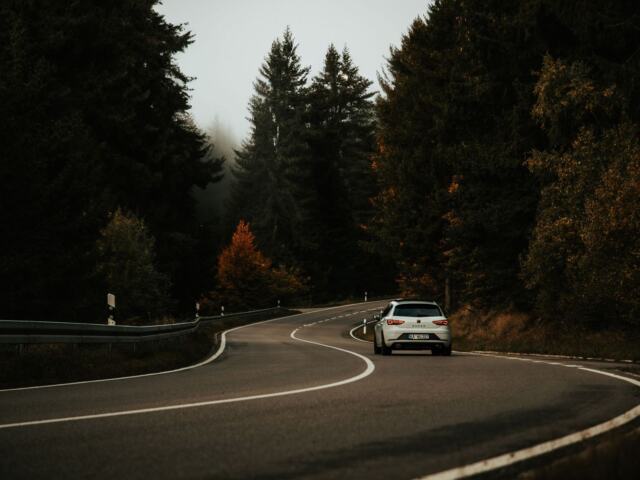

Not sure how to plan stops on a road trip? Build a break into your route about every 100 miles or two hours, and stop before you feel tired. Combine fuel and rest so every stop does double duty.
This guide belongs to the wider topic of road trip planning.
| Item | Value |
|---|---|
| Suggested break interval | About every 100 miles or two hours |
| Hours to avoid driving if you can | Between midnight and 6 a.m. |
| Typical sleep need | Seven or eight hours every 24 hours |
| Length of a micro sleep | Around four or five seconds |
These figures come from a HealthDay report on ABC News and the Georgia Department of Driver Services commercial driver’s study guide. Figures can change, so check the source before you rely on them.
Build the stop rhythm before you leave
Start with the stop interval. The U.S. National Safety Council advised making frequent stops about every 100 miles or two hours, according to a HealthDay report on ABC News from August 2009. AAA’s tips, reported by Fox News in March 2023, point to the same rhythm of a break every two hours or 100 miles.
On a map, that rhythm turns a long day into a chain of short legs. Mark where each leg should end, and pick the place in advance instead of hoping something suitable appears. A stop you have already chosen is also much easier to reach when you start to feel worn out.
Each stop should do more than one job. Good uses of a break include:
- Filling the tank, so you never rely on the last stretch of fuel.
- Walking around, getting a little exercise or having a snack.
- Looking over the vehicle, since drivers are advised to walk around and inspect it.
- Swapping drivers, if you have a co-driver.
Pairing fuel with rest keeps the number of stops down. It also means you are never choosing between “I need petrol” and “I need a break” at the same awkward moment.
Why stop before you feel tired?
The reason to plan stops, rather than wait for them, is that most drivers misjudge their own tiredness. In an AAA study reported by Fox News in March 2023, drivers sat in a simulator at the University of Iowa and took a 150-mile highway drive at 65 miles per hour. About 75% of the drivers who reported low drowsiness were actually moderately to highly drowsy.
The same report found that the only significant predictor of the decision to take breaks was perceived drowsiness. In other words, people stopped when they felt tired, and that feeling was often wrong. A scheduled stop removes the guesswork.
The AAA Foundation for Traffic Safety’s president, Dr. David Yang, put it plainly: “Being drowsy while driving is a dangerous form of impairment, and it does not resolve or improve with continued driving.” Pushing on is not a fix.
The Georgia Department of Driver Services makes a similar point in its commercial driver’s study guide. Short breaks keep you alert, but the time to take them is before you feel really drowsy or tired. A drowsy driver can have micro sleeps, brief naps of around four or five seconds, which at 55 miles an hour is more than 100 yards.
Signs that mean stop at the next safe place
The same study guide lists warning signs that you could fall asleep without meaning to:
- Your eyes close or go out of focus by themselves.
- You have trouble keeping your head up.
- You can’t stop yawning.
- You have wandering, disconnected thoughts.
- You don’t remember driving the last few miles.
- You drift between lanes, tailgate, or miss traffic signs.
If any of these appear, treat them as a signal to stop early and ignore the planned interval. The guide also notes that sleep debt can’t be beaten with willpower, and it won’t go away by itself.
Choose rest and fuel stops that suit the job
Not every exit is a good place to rest. When you look at your route, favour stops that make a break easy to take and safe to take. A short checklist helps:
- Good lighting, so you can walk around and return to the car comfortably.
- Fuel and food in the same place, so one stop covers both needs.
- Room to stretch your legs, even if it is only a few laps of the car park.
- A nearby hotel as a fallback if you need real sleep rather than a break.
If you are too drowsy to continue, the advice reported by ABC News in August 2009 was not to just stop on the side of the road. Get to the nearest hotel, or stop in a well-lit area, the U.S. National Safety Council advised.
Food matters too. The Georgia study guide suggests looking for restaurants with healthy, balanced meals, and AAA’s tips, reported by Fox News in March 2023, include avoiding heavy foods. A lighter meal is easier to drive on than a heavy one.
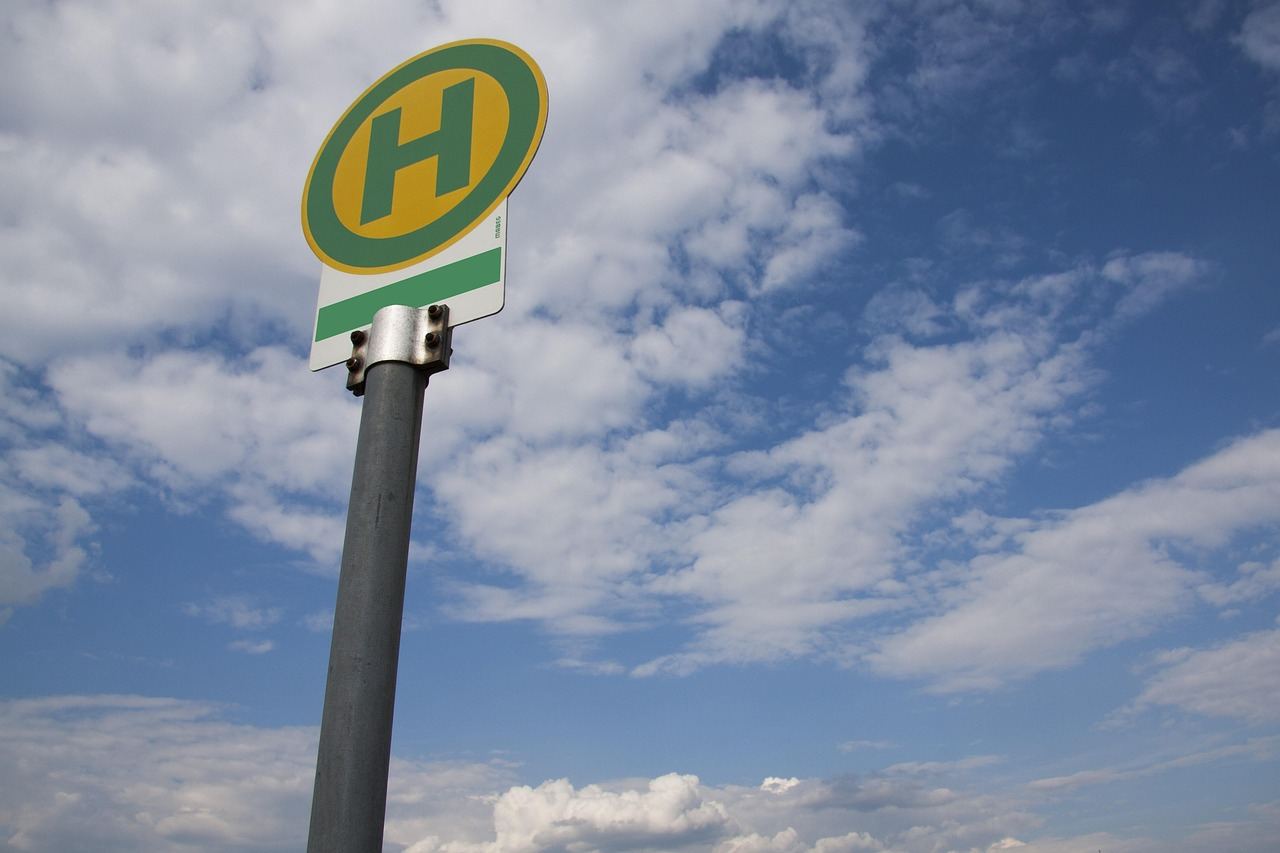
When you pick fuel stops, think about the car as well as the driver. Before the trip, run through the car checklist before a road trip so a fuel stop is not also an unplanned repair stop.
Time the drive around your body clock
Stops work best when you start rested. According to the Georgia Department of Driver Services study guide, the average person needs seven or eight hours of sleep every 24 hours, and you can’t save sleep up ahead of time. Leaving on a long trip when you’re already tired is dangerous.
Your body also expects to sleep at certain hours. The Georgia study guide advises scheduling trips, if possible, for the hours you are normally awake. The National Safety Council advice reported by ABC News in August 2009 was to try not to drive between midnight and 6 a.m.
The Georgia study guide also recommends a mid-afternoon break, plus sleep between midnight and 6 a.m. Putting a longer stop in the middle of the afternoon works with a natural dip in energy instead of fighting it.
Build a short rest into the plan as well. Fox News reported in March 2023 that a nap of 20-30 minutes can restore alertness, so choose a safe spot for it, as covered above.
A few smaller habits help on the road:
- Keep the car cool, because a hot, poorly ventilated vehicle can make you sleepy.
- Check medicine labels, since many medicines can make you sleepy.
- Share the driving on long trips and switch drivers regularly.
A simple stop plan you can copy
Here is a straightforward way to turn the advice into a route. Adjust it for your own pace and your own car.
- Split the route into legs of no more than about 100 miles or two hours.
- For each leg end, choose a lit, busy stop with fuel and food in one place.
- Pick a hotel or a longer rest option for the stretch where you would otherwise drive late at night.
- At each stop, fill the tank, walk around, check the vehicle and have a light snack.
- Swap drivers when you can, and nap for 20-30 minutes if you feel drowsy.
- Stop early whenever a warning sign shows up, whatever the plan says.
Travelling with children changes the pace of the day, so read how to plan a road trip with kids for ideas about breaks that suit younger passengers: how to plan a road trip with kids covers it in more detail.
Keep the plan flexible. It is a starting point, and a drowsy driver should always override the schedule.
Frequently asked questions
How often should I stop on a long drive?
Show answer
The advice reported by ABC News in August 2009 from the U.S. National Safety Council was about every 100 miles or two hours. AAA’s tips, reported by Fox News in March 2023, give the same interval.
How long should a nap be?
Show answer
According to the March 2023 Fox News report, a 20-30 minute nap can be enough to revive your level of alertness. Choose a safe, well-lit place, or a hotel if you need more rest.
Is it fine to pull over on the roadside to sleep?
Show answer
The National Safety Council advice reported in August 2009 said not to just stop on the side of the road. It suggested the nearest hotel or a well-lit area instead.
Can willpower get me through a tired stretch?
Show answer
The Georgia Department of Driver Services study guide says sleep debt can’t be overcome with willpower and won’t go away by itself. Stop and rest instead.